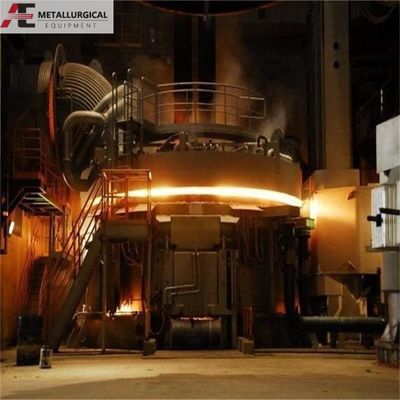
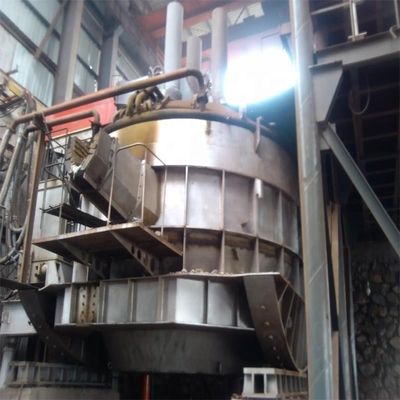
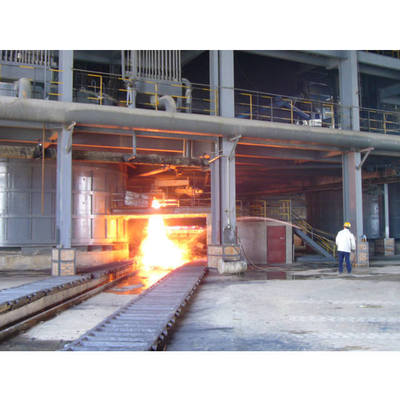
مقدمة مهنية لآلة الصب المستمرة
1ما هوآلة الصب المستمرة?
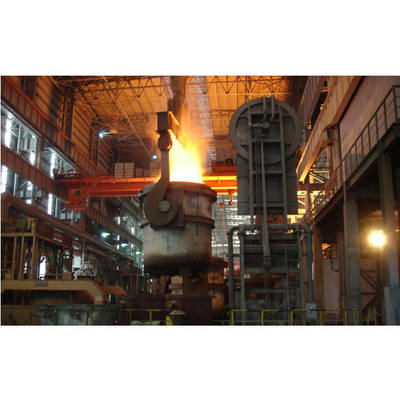
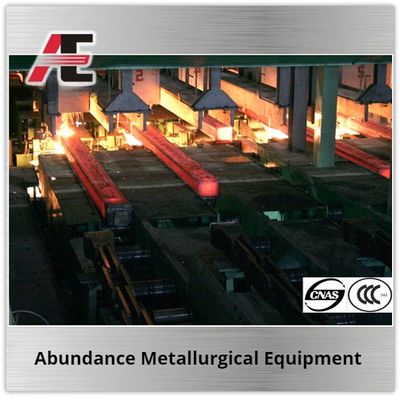
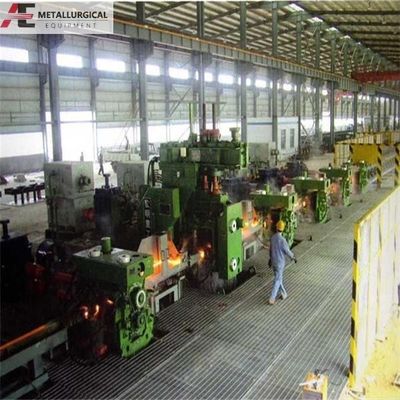
عملية الصب المستمر للصلب المنصهر في درجة حرارة عالية إلى خيوط متصلبة من شكل وقسم عرضي محدد وتعرف باسم الصب المستمر.يطلق على النظام المتكامل للمعدات المطلوبة لإنجاز هذه العملية آلة صب مستمرةهذه الأجهزة الأساسية لصناعة الصلب، والتي تسمى تقليديًا محركًا مستمرًا، تمثل نظامًا كهروميكانيكيًا هيدروليكيًا متطورًا.جسد الرواد نفسه، آلات منطقة القطع، وأنظمة التعامل مع قضبان وهمية.
2المكونات الرئيسية لـ " كاستر " المستمر
يتكون الجهاز المتواصل القياسي من عدة أنظمة فرعية ومكونات رئيسية، بما في ذلك:
برج المطرقة أو سيارة المطرقة
تنديش
أداة رفع عصا العقاب / نظام بوابة الزحف
سيّارة (تونديش)
خزان التفريغ التنديش
غطاء التنديش وغطاء العفن
العفن (المبلور) مكون أساسي
جهاز تذبذب العفن
الجزء الموجه للخيط والجزء الداعم (بما في ذلك الألواح)
نظام رذاذ التبريد الثانوي
آلة تصفية / آلة تصفية السحب (للوحات المنحنية)
بار المزيف
مسار تخزين البار المزيف وقطع الاتصال
طاولة / سرير التبريد
آلة الدفع
نظام تبريد مياه شامل
وحدة الطاقة الهيدروليكية والأنابيب
أنظمة التحكم والأتمتة الكهربائية
3العملية التكنولوجية لجهاز الزهور
العملية تتبع تسلسل دقيق:
1يتم نقل وعرض المقابس التي تحتوي على الصلب المنصهر المكرر على برج المقابس.
2. تدور البرجية المكعب إلى محطة الصب، حيث يتم إطلاق الصلب في خزان توزيع التنديش.
3من التنديش ، يتدفق الصلب المنصهر من خلال فوهات الدخول المغمورة (SENs) إلى قالب واحد أو أكثر من النحاس المبرد بالماء (المبلورات).
4القالب، وهو مكون من أجزاء النواة، يبدأ التجمد السريع، وتشكيل قشرة مستقرة حول النواة السائلة.
5تنسق مع الحركة التذبذبية للقالب، وحدة السحب / تصويب سحب خيط بلطف إلى أسفل.
6ثم يدخل الخيط منطقة التبريد الثانوية ، حيث تستمر رشات المياه الخاضعة للرقابة في عملية التجمد. يمكن تطبيق التحريك الكهرومغناطيسي هنا لتحسين الهيكل الداخلي.
7بمجرد تصلبها بالكامل ، يتم قطع الخيط المستمر إلى أطوال محددة بواسطة جهاز قطع (مصباح أو قشر) ، مما ينتج ألواح أو أزهار أو شرائح جاهزة لمزيد من التدحرج.
4الأتمتة في الصب المستمر
تعتمد الطائرات الحديثة بشكل كبير على أنظمة التحكم التلقائي، والتي تدير في المقام الأول:
التحكم في سرعة سحب الخيوط
تردد تذبذب العفن ومراقبة السكتة الدماغية
مراقبة مستوى السائل في العفن
تحكم تدفق مياه التبريد الثانوية
التحكم في قطع الطول الثابت
5أهمية الإنتاج
أحدثت عملية الصب المستمر ثورة في صناعة الصلب عن طريق استبدال الصب التقليدي ، والذي يركز على دفعة الصب والطريق الأساسي للتدحرج.إنه يحول الصلب المنصهر مباشرة إلى أشكال شبه منتهية في تدفق مستمرهذا الابتكار يقدم فوائد عميقة:
تدفق الإنتاج المبسط: يلغي العديد من خطوات المعالجة الوسيطة.
زيادة الإنتاجية والعائد: زيادة كبيرة في إنتاج المعادن (خفض الخردة) والإنتاج.
كفاءة الطاقة: وفورات كبيرة في استهلاك الطاقة.
انخفاض التكاليف: انخفاض التكاليف التشغيلية ورأسمالية لكل طن.
الجودة المحسنة: الجودة الداخلية والسطحية الممتازة والأكثر توحيدًا للمنتج المصبوب.
ونتيجة لذلك أصبحت آلة الصب المستمرة منشأة لا غنى عنها، تقريبًا موجودة في جميع مصانع الصلب الحديثة،جزء لا يتجزأ من كل من طرق صناعة الصلب ذات العملية الطويلة (المتكاملة) والطرق ذات العملية القصيرة (المصنع الصغير).
نحن مصنعون محترفون من الفرن الكهربائي. لمزيد من الاستفسارات، أو إذا كنت بحاجة إلى فرن قوس غمر،لا تتردد في الاتصال بنا علىsusan@aeaxa


 يجب أن تكون رسالتك بين 20-3000 حرف!